
Imagine waking up to a world where a long-time strongman, accused of turning his oil-rich nation into a cradle of despair, is suddenly yanked from power and flown across the ocean to face justice. For millions of Venezuelans at home and scattered abroad, that's no longer a dream – it's the stunning reality of January 4, 2026. Nicolás Maduro, the controversial president who's clung to Venezuela's helm amid economic collapse, hunger, and mass exodus, now sits in a U.S. cell. His wife, Cilia Flores, by his side in captivity. It's a moment that feels like a Hollywood thriller, but the stakes are heartbreakingly real for families torn apart by years of hardship.
As someone who's followed stories of human resilience through crises, this one tugs at the heart. Venezuelans have endured so much – blackouts, empty shelves, loved ones fleeing for safer shores. Now, with Maduro in U.S. hands, there's a flicker of hope mixed with deep anxiety about what comes next. President Donald Trump's bold declarations add fuel to the fire, promising U.S. oversight and control over Venezuela's vast oil wealth. Let's break down what we know, and what it might mean for everyday people caught in the crossfire.

The Dramatic Capture: Maduro Lands in New York
In a swift, large-scale operation that caught the world off guard, U.S. forces captured Maduro and Flores in Venezuela. They're now on American soil, specifically at the Metropolitan Detention Center in Brooklyn – a far cry from the presidential palace in Caracas. Maduro faces serious charges in Manhattan federal court: drug trafficking and weapons offenses that U.S. prosecutors have been building against him for years.
Photos emerging of Maduro in custody – handcuffed, perhaps even blindfolded – paint a picture of a fallen leader, stripped of his aura of invincibility. It's a sight that's ignited reactions worldwide, from shock in diplomatic circles to quiet relief among those who've suffered under his rule.
Trump's Vision: 'Running' Venezuela and Claiming the Oil

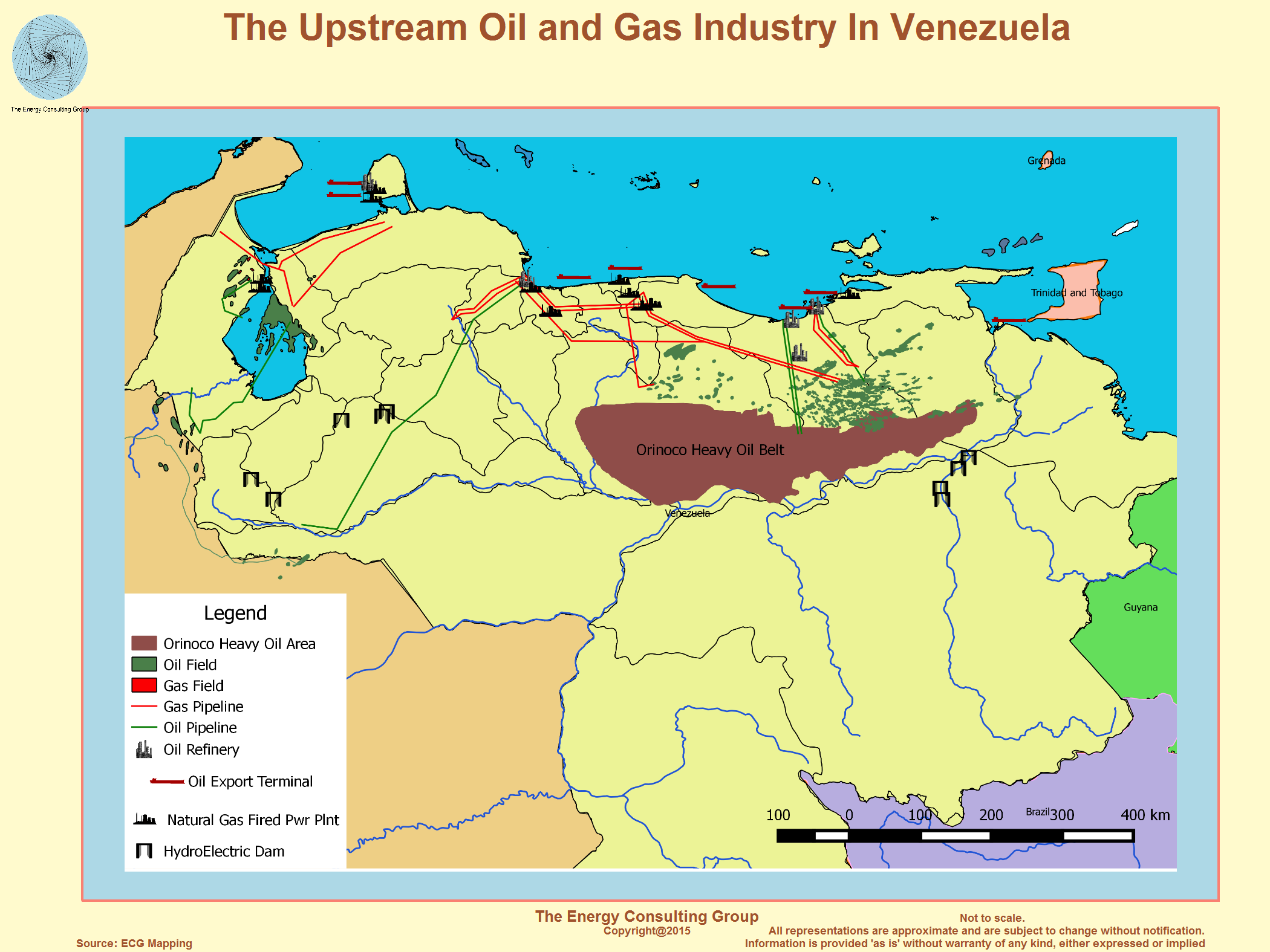
Trump's words echo his "America First" ethos, framing the move as a way to cut off funding for what he calls a "corrupt regime" and boost U.S. interests. Yet, for Venezuelans, oil isn't just black gold; it's the lifeblood of their economy, mismanaged into ruin under Maduro. Trump's plan could mean jobs and revenue flowing back – or fears of foreign exploitation. He's already in talks with Venezuelan Vice President Delcy Rodríguez, who demands Maduro's release and insists he's still the legitimate leader.

 |

A Nation Divided: Joy, Apprehension, and Calls for Change
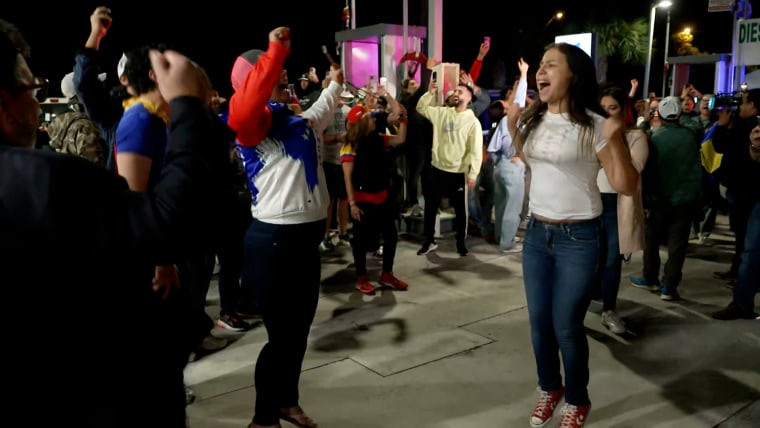
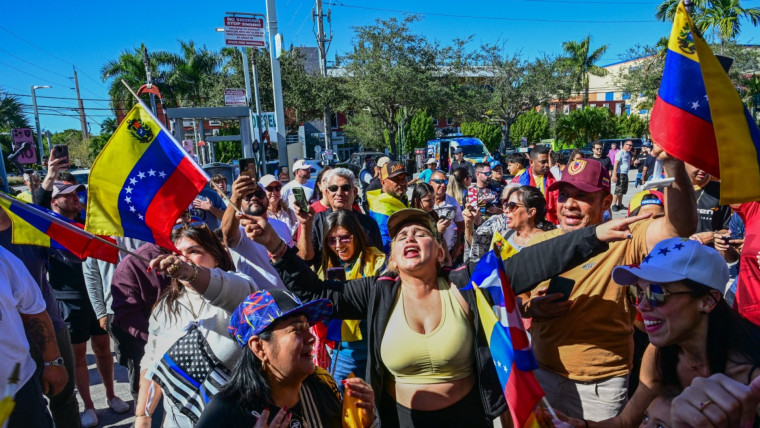
Across Venezuela and in expatriate communities from Miami to Madrid, reactions pour in. Streets have erupted in celebrations – horns blaring, flags waving, tears of joy for a potential end to years of repression and scarcity. Opposition leader María Corina Machado, a beacon for many, urges an opposition figure to step in and guide the transition, emphasizing democracy over intervention.
But not everyone's cheering. Some fear chaos in the power vacuum, or that U.S. "running" the country could echo past interventions in Latin America. Rodríguez's defiance signals possible resistance from Maduro loyalists. For ordinary folks – the single mom queuing for food, the student dreaming of a better future – this is a whirlwind of emotions. Hope that schools might reopen fully, hospitals stock medicine, and families reunite. Anxiety over what "seizing oil" really means for their sovereignty.
In places like South Florida, home to a huge Venezuelan diaspora, the streets pulse with mixed feelings – parades of pride, but whispers of worry about loved ones back home.

Looking Ahead: A Fragile Path to Renewal
This isn't just geopolitics; it's about real lives hanging in the balance. Trump's strategy could stabilize Venezuela, harnessing its oil to rebuild infrastructure and economy. Or it might spark backlash, deepening divisions in a nation already on edge. As court dates loom for Maduro and talks continue, the world watches – hoping for a chapter where Venezuelans, not outsiders, write their own story.
My heart goes out to those who've waited so long for change. Whatever unfolds, let's remember the human cost and root for a future where no one has to flee their home for a shot at dignity. Stay tuned; this story is just beginning.