
It's a time of raw emotion for millions of Venezuelans – that mix of hope flickering against a backdrop of deep worry, like waiting for dawn after a long, stormy night. With Nicolás Maduro in U.S. custody after a daring raid, and President Donald Trump declaring America "in charge," families across Caracas and beyond are holding their breath. What does this mean for their daily lives, their future, their sovereignty? As someone who's seen how global shifts ripple into personal stories, my heart goes out to those navigating this uncertainty – parents wondering if schools will reopen, migrants dreaming of returning home, everyone yearning for stability after years of hardship.
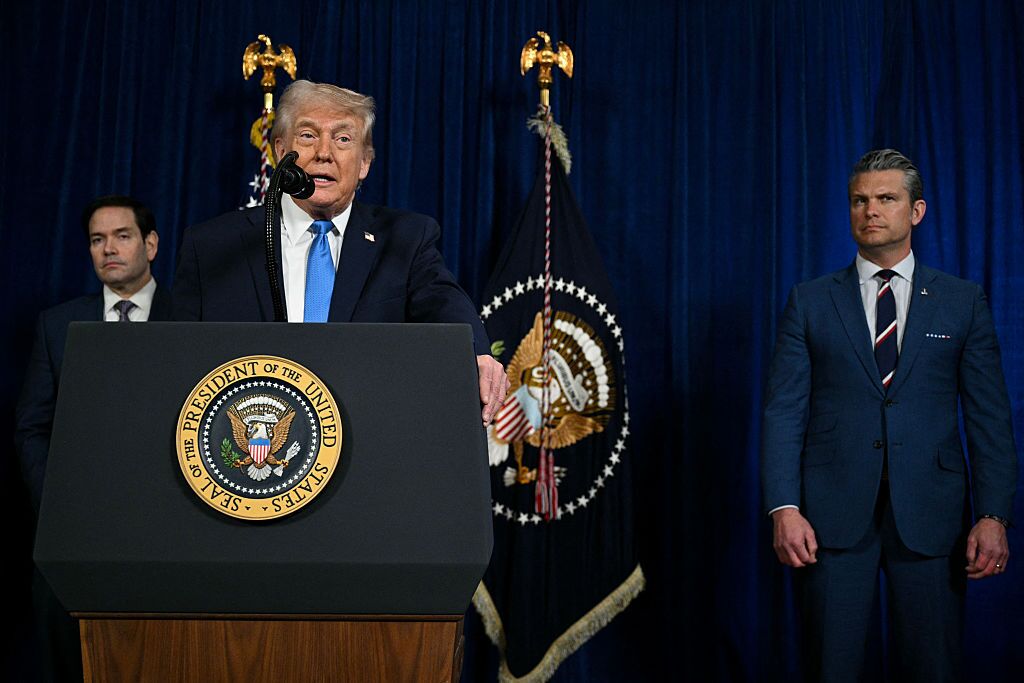
On Sunday night, an emboldened Trump doubled down: "We're in charge" of Venezuela, warning other nations they could be next if they cross U.S. interests. But even as he paints a picture of swift control, his administration is walking a nuanced line – prioritizing quick fixes over immediate democracy. Here's what we know so far, pieced together from the fast-moving developments.
Maduro's First Court Appearance: Facing the Music in New York
Maduro and his wife, Cilia Flores, were captured in a deadly pre-dawn raid on Saturday, January 3, 2026 – a operation that left casualties and sparked global debate. Now, at noon ET today in Manhattan federal court, Maduro steps before a judge for the first time. He's charged with conspiring in "narcoterrorism" – allegedly partnering with groups to flood the U.S. with thousands of tons of cocaine.
Images of a handcuffed Maduro being escorted have gone viral, symbolizing a stunning fall from power. For Venezuelans who've blamed his regime for economic ruin and repression, it's a moment of vindication. But for loyalists, it's an outrage – a foreign "kidnapping" that demands resistance.
Trump's Vision: "In Charge," But With a Shift Toward Leverage
Trump's Saturday presser first floated direct U.S. "running" of Venezuela until a transition. By Sunday, he ramped it up: America is "in charge," with oil seizures to fund rebuilding. Yet, voices like Secretary of State Marco Rubio hint at a softer touch – using economic leverage and diplomacy over boots-on-the-ground control.
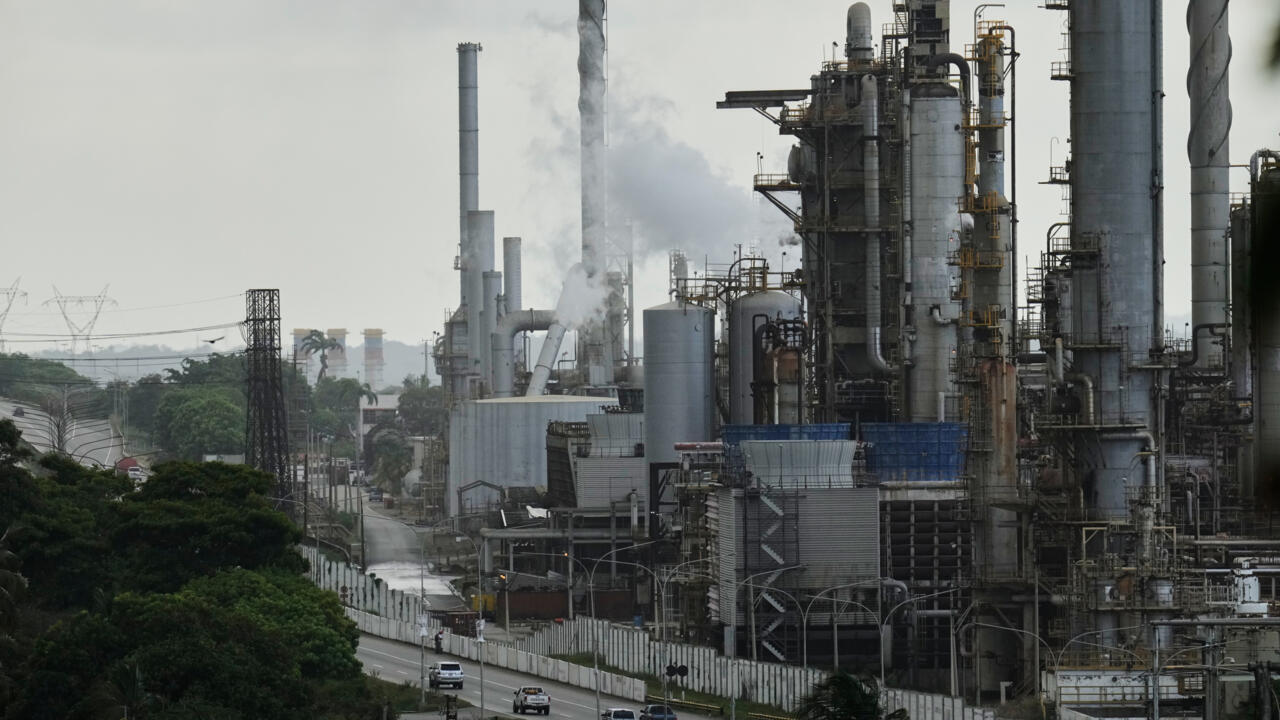
The focus? Quick stability: repairing crumbling oil infrastructure (the world's largest reserves, but output's tanked) and ensuring administrative flow. Democracy? It's on the back burner for now, with U.S. officials eyeing an interim government compliant with American goals.
The Key Player: Delcy Rodríguez's Softening Tone
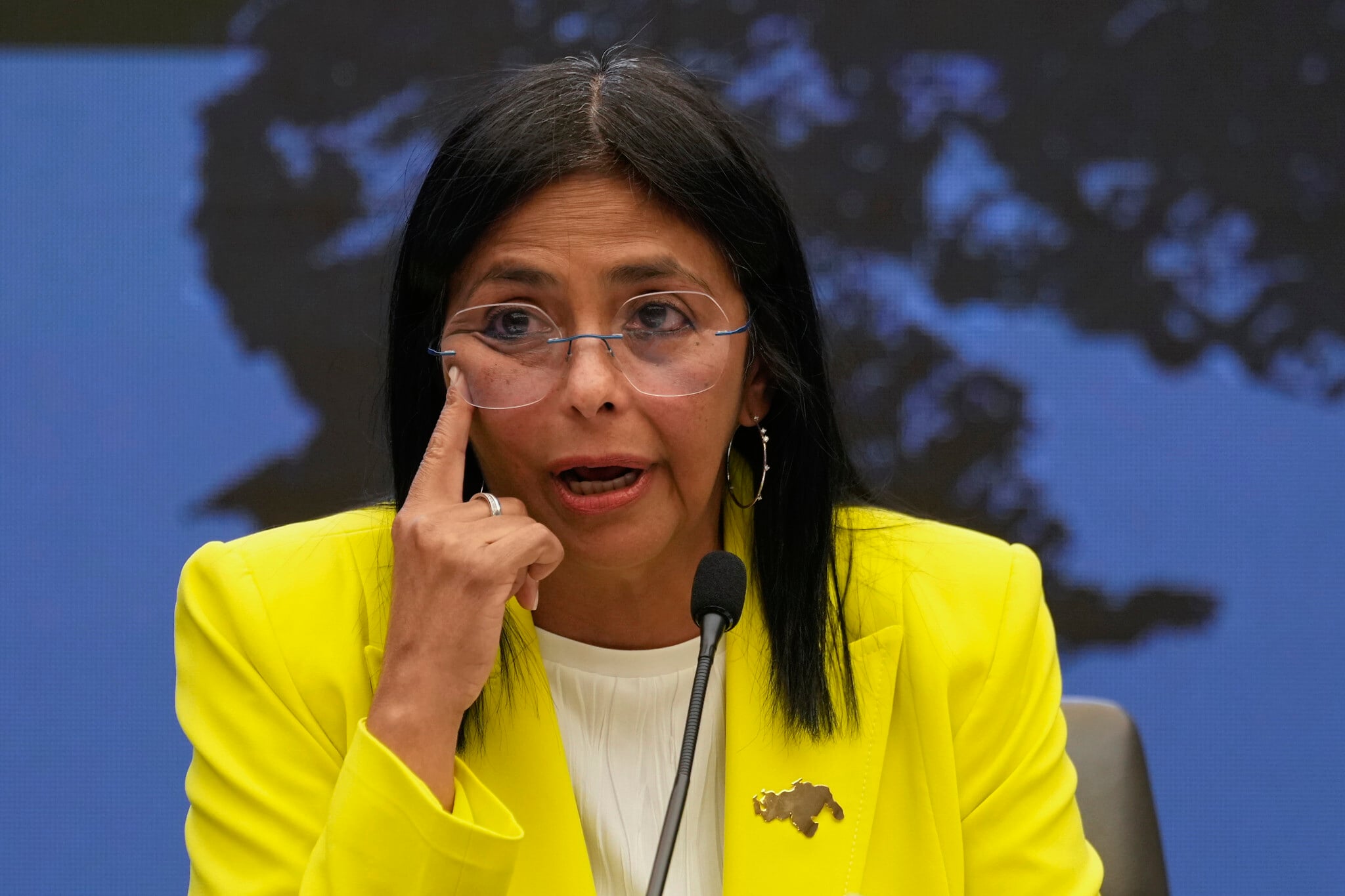
U.S. eyes have long been on Vice President Delcy Rodríguez as a potential bridge. Despite her initial fury – calling the raid a "savage attack" – by Sunday night, she shifted to calls for "cooperation." This pivot suggests backchannel talks are working, with Rodríguez possibly stepping in as acting leader under Supreme Court orders.
For everyday Venezuelans, her role could mean continuity amid chaos – or more of the same struggles if she resists reforms. Optimism flickers among U.S. officials that she'll align, paving the way for oil investments and aid.
Divided Reactions: Celebrations, Protests, and Congressional Fire
Back in Washington, Trump landed Sunday night to a partisan split. Republicans like Senate Intel Chair Tom Cotton praise the raid, eyeing "legitimate" elections soon with opposition involvement. Democrats blast the lack of congressional notification, demanding oversight to avoid another endless entanglement.
On Venezuelan streets and in diasporas from Miami to Madrid, reactions mirror the divide: joyous rallies in some quarters, tense hunkering in others. People are stocking up on essentials, bracing for what Trump's plans might bring – relief or resentment.