
Remember when Trump's obsession with buying Greenland felt like a punchline? Back in his first term, it was dismissed as another wild tweet – "large real estate deal," he called it. Fast forward to January 2026, and no one's chuckling. Fresh off his bold move in Venezuela, Trump's eyeing the massive Arctic island with serious intent, even floating military options. But is it really just about "national security," as he claims? Or is there more – like untapped oil, rare earth minerals, and a dash of 19th-century empire-building? As a fellow human watching this unfold, it hits home: This isn't just geopolitics; it's about real people in Greenland and Denmark feeling their future tugged by superpowers. Let's dive in, with empathy for those caught in the crossfire, and uncover what's really at stake.
From Joke to Juggernaut: Trump's Greenland Revival
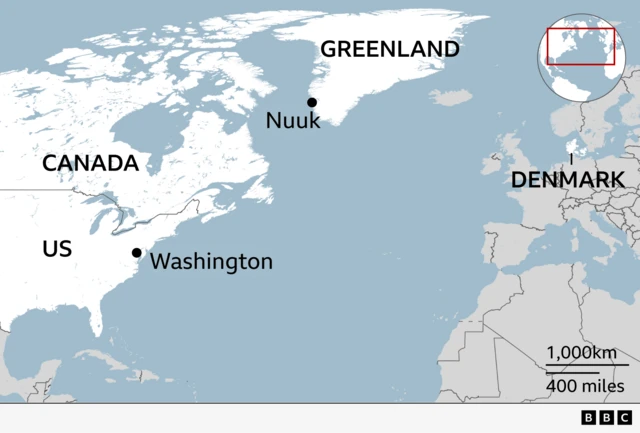
Trump insists it's vital for U.S. defense: Greenland's Thule Air Base tracks missiles, and its position guards Atlantic routes – key in WWII against U-boats. With climate change melting ice, new Arctic shipping lanes open, luring Russia and China. "We need it for defense," Trump told reporters, echoing aides like Stephen Miller's tough talk on power.
But experts and allies aren't buying the full story. Denmark and EU leaders reaffirmed sovereignty, calling threats "unacceptable." NATO's jittery – Greenland's in the alliance via Denmark. If Trump's serious, it could fracture partnerships built on trust.
The Hidden Gems: Oil, Minerals, and Economic Dominance
Peel back the layers, and Greenland's treasures shine. Vast offshore oil and gas fields remain untapped. As ice thaws, rare earth minerals – crucial for EVs, weapons, tech – become mineable. China eyes these too; controlling them gives the U.S. an edge in global supply chains.
Trump's Venezuela play shows pattern: Seize resources to "fund" stability without U.S. costs. Greenland fits – partnerships exist, but Trump wants ownership, not sharing. Imagine American flags over mines, boosting jobs stateside while curbing rivals.
Yet, for Greenland's 56,000 Inuit-majority residents, this feels invasive. They've pushed for more autonomy from Denmark; U.S. takeover could erase that. "It's our home, not a bargaining chip," one local leader said. Heartbreaking – indigenous voices often sidelined in power grabs.

Empire Echoes: Trump's 21st-Century Manifest Destiny?
Critics see echoes of history: U.S. presidents like Polk expanding westward, or Teddy Roosevelt's "big stick." Trump's team jokes about "Trumpland," but aides like Miller's wife posting star-spangled maps hint at deeper ambition. Post-Venezuela hubris fuels it – "We're not following iron laws," Miller warned, implying rules don't apply.
Allies fret military force could shatter NATO. Rubio's on damage control, but Trump's unfiltered: "Military always an option." For Danes and Greenlanders, it's terrifying – a peaceful island thrust into superpower games.
Why It Matters: Human Cost and Global Ripples
This isn't abstract – it's lives disrupted. Greenlanders fear cultural erasure; Danes, alliance betrayal. For Americans, it risks isolationism backlash. But if successful, it could reshape energy, secure Arctic dominance, boost economy.
As Trump pushes, remember the people: Families in Nuuk wondering if their kids' future includes U.S. bases or autonomy. Empathy calls us to question: Is this security, or overreach? Share if this resonates – let's keep the conversation going. What do you think – bold strategy or dangerous dream?